Lead story
 North America
Utz stockholders approve USD 2.9 billion Intersnack take-private deal
Utz Brands stockholders approved the company's sale to Germany's Intersnack Group at a virtual special meeting on 13 Nov 2026, based on preliminary results. The Hanover, Pennsylvania snack maker expects the deal, which pays USD 14.25 a share in cash at an enterprise value of about USD 2.9 billion, to close around 20 Nov 2026.
Why it matters
Once the deal closes, one of the largest European salty-snack groups will hold half of a major US chip maker, with the founding family holding the other half. For potato growers, equipment makers and ingredient suppliers selling to Utz, the move from a listed company to private ownership may change how purchasing, investment and plant decisions are made.
Key numbers
$14.25
Cash price per Class A share
2.9
USD billion (approx.)
Enterprise value of Utz in the deal
91
percent (approx.)
Premium to 20 Jul 2026 close
920
USD million (approx.)
Intersnack cash contribution
Data box
Utz stockholders approve USD 2.9 billion Intersnack take-private deal
| Cash price per Class A share | 14.25 USD |
|---|---|
| Enterprise value of Utz in the deal | 2.9 USD billion (approx.) |
| Premium to 20 Jul 2026 close | 91 percent (approx.) |
| Intersnack cash contribution | 920 USD million (approx.) |
| Intersnack 2025 revenue | 5 USD billion (approx.) |
21 Jul 2026 · Source
More in this issue
10 more storiesWhy it matters
Utz is one of the larger US potato chip makers, so its margin squeeze shows how input and supply chain inflation is hitting chip processors in 2026. The Intersnack deal would give the European snack group a 50% stake in a major US salty snack business, changing ownership in the North American chip market.
Why it matters
Internal pallet moves between production lines and the central warehouse are a constant labor and fuel cost at chip and snack plants. Lorenz has set this up as permanent operation rather than a trial, with Einride owning and running the vehicles under a transport contract, which gives other processors a working model to watch. Running on the plant's own solar power also cuts Scope 3 emissions reported by retail customers.
Why it matters
Lyckeby is expanding potato starch volumes at a time when buyers increasingly ask for product-level carbon data, and its own figures show emissions rising with output. The roughly 3,000 extra hectares of starch potatoes point to more raw material for European native and modified starch supply. The new SBTi-aligned targets set a benchmark other starch processors will be compared against.
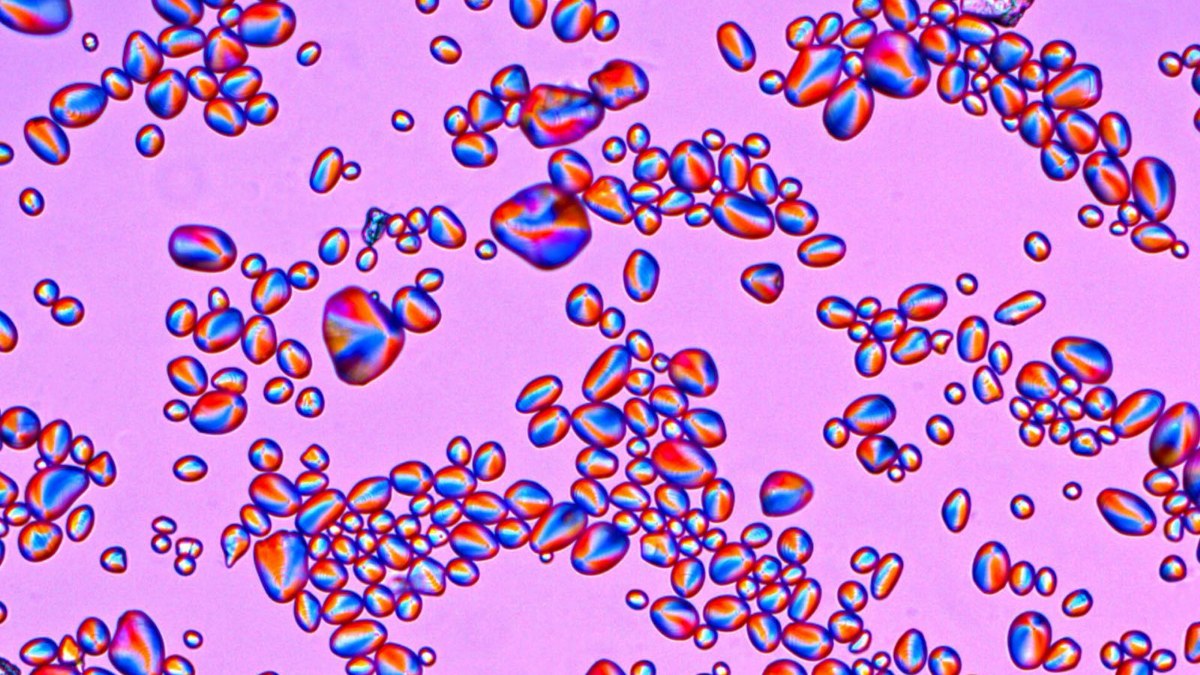 Photo: Photon 400 750, CC BY-SA 4.0
Why it matters
Clean label demand keeps pushing food makers away from chemically modified starches, and physically modified potato starch is one of the main ways starch producers answer it. A grade that works without a cooking or hydration step can cut process steps and possibly energy use for customers, which widens the market for potato starch in cold applications.
Why it matters
A low processed share in a very large producing country leaves a lot of room for new fry, chip and flake capacity, and that matters to equipment suppliers, buyers and exporters elsewhere. The authors name raw-material price swings, weak storage and imports as the main constraints, so supply risk will shape how fast that capacity gets built.
Why it matters
New fry varieties shape raw-material quality for years: fry color, sugars in storage, bruising and shape all drive plant yield and rejects. A shared national screen lets processors judge candidates on common data before committing seed acres, cutting the cost and risk of switching varieties.
Why it matters
Dry matter and sugar levels decide fry and chip color, texture and oil uptake, so growers who cut water or adjust potassium change what reaches the plant. The results suggest that, where water is short, deficit irrigation may not harm solids, but sugar behavior depends on the cultivar and on how water and potassium are managed together.
Why it matters
Dry matter and tuber defects decide chip yield, oil uptake and rejection rates at the plant. The study ties those traits to choices growers make in the field, and its prediction models could help chip buyers flag weak lots before delivery. It also adds data from the Pannonian Basin, a region that is not studied much.
Why it matters
Potato protein is a co-product of starch processing, so new uses for it matter to starch plants. Cell culture media could become a higher-value outlet than feed or food. The work is early-stage lab research with no cost or scale-up data, and the peptides could not replace serum completely.
Why it matters
Mixed or mislabeled lots are a quality risk for fry, chip and flake lines, where variety drives dry matter, sugars and frying color. Camera-based cultivar checks at intake could support that control, but this is lab-stage work on six cultivars, and 90% accuracy is still short of what a commercial sorting line would need.
Spotlight
Company spotlight · chosen by the editors, not paid
Lorenz Snacks
German snack maker Lorenz has put four cab-less, fully electric autonomous vehicles from Sweden's Einride to work moving finished goods, raw materials and empty pallets inside its Neunburg vorm Wald plant.
Coming up
All potato events →- British Potato Industry Confex 202618–19 Nov 2026 · Lincoln, UK
- Agromek 202624–27 Nov 2026 · Herning, Denmark
- India Potato Summit 202626–27 Nov 2026 · Lucknow, India
- INTERPOM 2026 (23rd)29 Nov 2026 – 1 Dec 2026 · Kortrijk, Belgium
- Global Potato Summit 202616–17 Dec 2026 · Gandhinagar, India
- Potato Expo 20275–7 Jan 2027 · Denver, USA
Magazine edition
Flip through the 20-page magazine edition
This issue, laid out as a magazine: turn the pages on screen, or get the PDF by email to read offline and share with your team.