Colorado study names Verticillium dahliae as main cause of potato early dying
Colorado State University researchers report in Plant Disease, published 13 Nov 2026, that Verticillium dahliae is the primary cause of potato early dying in the San Luis Valley. Surveys of 18 fields over three seasons found the fungus in every affected sample, and greenhouse tests showed it alone reproduced the disease.
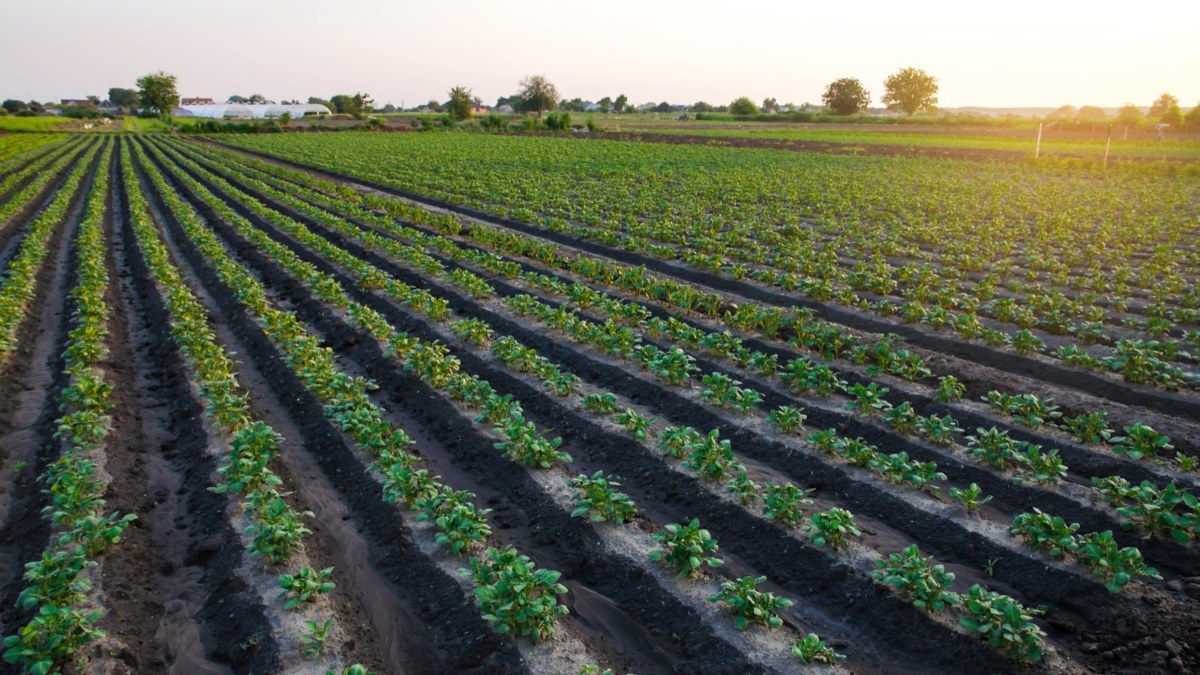
Why it matters
Potato early dying is often treated as a pathogen complex, which makes control choices harder. If one fungus is driving the disease in the San Luis Valley, growers and agronomists there can focus soil testing, rotation and fumigation decisions on Verticillium inoculum levels rather than on black dot.
Potato early dying (PED) in Colorado's San Luis Valley is driven mainly by the soilborne fungus Verticillium dahliae, according to a paper by researchers at Colorado State University's San Luis Valley Research Center in Center, Colorado. The study appeared online in Plant Disease, a journal of the American Phytopathological Society, on 13 Nov 2026 (Plant Disease paper).
What did the researchers find?
The team surveyed 18 potato fields in the valley across three growing seasons. V. dahliae turned up in all of the samples taken from plants showing PED symptoms. Colletotrichum coccodes, the fungus behind black dot, was also found often, but less consistently.
The authors combined morphological identification, molecular tests and pathogenicity trials to separate the roles of the two fungi.
Does black dot add to the damage?
In greenhouse inoculations, V. dahliae on its own produced the full early-dying syndrome, with earlier onset and higher incidence and severity than the other treatments. C. coccodes alone caused little disease, and adding it to V. dahliae did not meaningfully increase symptoms, the authors report.
What does this mean for management?
PED causes premature vine senescence and yield loss in potato regions worldwide, and its causes are known to vary between production systems. The authors conclude that in the San Luis Valley, managing V. dahliae should be the central target of PED control. The abstract does not report nematode results or name the cultivars tested.
The paper's authors are Hafiz Muhammad Usman Aslam, Jeremy Daniel and Mohamad Chikh-Ali.
Key numbers
Sources
- Morphological, Molecular and Pathogenicity Evidence Identifies Verticillium dahliae as the Primary Causal Agent of Potato Early Dying in Colorado · American Phytopathological Society (Plant Disease) (primary source)